Business applications, portals, and integrations
Quoting tools, customer and dealer portals, document generation, and CRM or CAD integrations built around how your team works. For manufacturers and other businesses whose process currently lives in spreadsheets and email.
Sound familiar?
- Quotes and orders are assembled by hand from spreadsheets, PDFs, and email threads.
- Dealers or customers call in for information a portal could give them directly.
- Documents like submittals, proposals, or packages are built one file at a time.
- Two systems hold the same data and nobody trusts either one.
Quoting and ordering tools
Internal tools that replace the spreadsheet-and-email handoff: product configuration, pricing rules, bills of materials, approvals, and the reporting that goes with them.
- Quote editors that stay consistent when several people work at once
- Bills of materials and pricing rules kept in one place
- Approvals, status tracking, and reporting
Customer, dealer, and distributor portals
Login areas where partners find pricing, documents, and order status without calling. Built on WordPress when the site already lives there, or as a standalone application when it needs to behave like software.
- Role-based access for dealers, distributors, and internal staff
- Document libraries, downloads, and gated product content
- Partner discovery and geographic segmentation for international networks
Document generation
Proposals, submittal packages, and PDF bundles assembled from your data instead of by hand. Background assembly for large packages, saved drafts, versioning, and private storage for the files produced.
- PDF packages with cover pages and bookmarks, built in the background
- Saved drafts and versioned, retrievable packages
- Private storage and admin reporting on what was generated
Integrations
Connections to CRMs, ERPs, CAD configurators, payment and email providers, with request tracking, webhooks, polling, and logging so an integration can be traced when something fails.
- Salesforce and other CRM integrations for the leads your tools produce
- CAD and 3D configurator integrations driven by manufacturing data
- Webhooks, background jobs, and logs that make failures findable
Product development
When the requirement is a product rather than an internal tool: applications on Next.js, React, Vue.js, or PHP with authentication, organizations and permissions, Stripe billing, and APIs for mobile apps and developer tools. Scoped to a first milestone you can evaluate as working software.
- Authentication, organizations, and permissions
- Subscription billing and checkout with Stripe
- APIs for mobile apps, partners, and developer tools
Relevant work
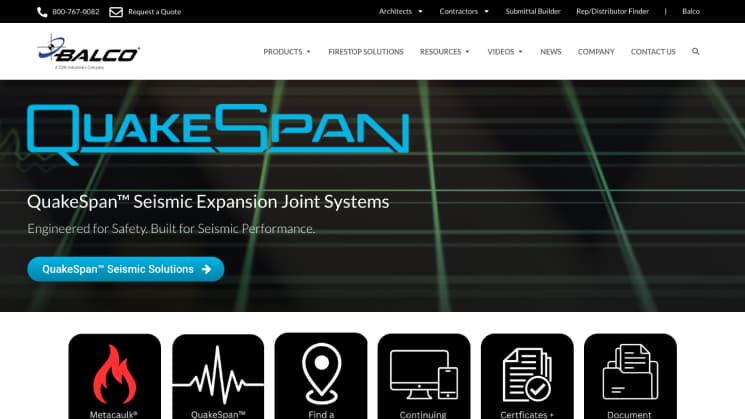
- Turning product documents into ready-to-use submittal packagesBalco · Document workflow · 2026Client project · Delivered through Donovan Digital
- Connecting quoting, dealer workflows, and manufacturing dataEuro-Wall · Internal manufacturing platform · Since 2024Michael's employment · Senior Full-Stack Developer at Euro-Wall

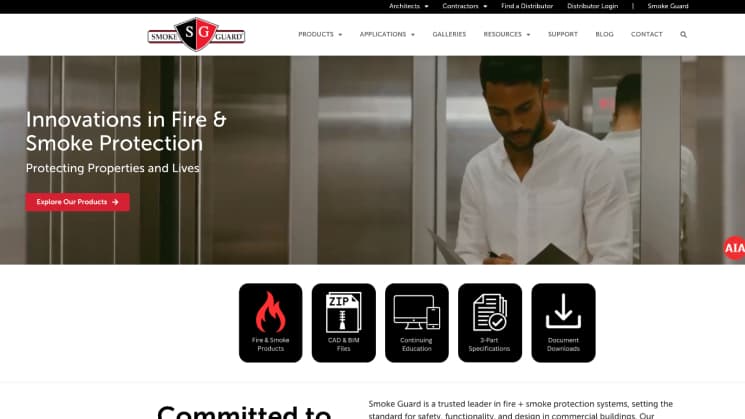
- Moving a public website and private distributor portal to WordPressSmoke Guard · Website & portal migration · 2025Client project · Delivered through Donovan Digital
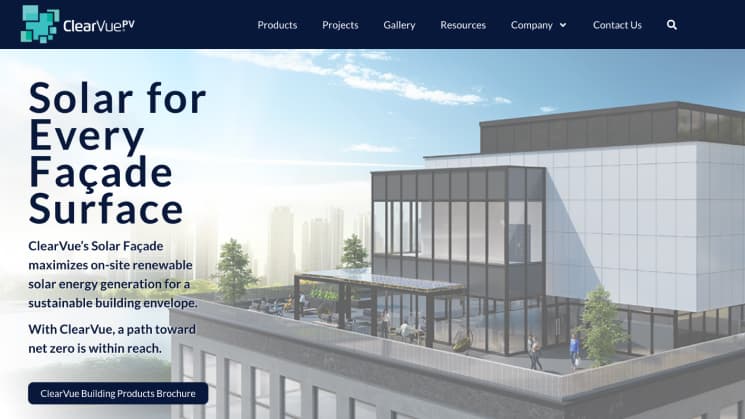
- Partner portal and market expansion platformClearVuePV · Clean energy & construction tech · 2025Client project · Delivered through Donovan Digital
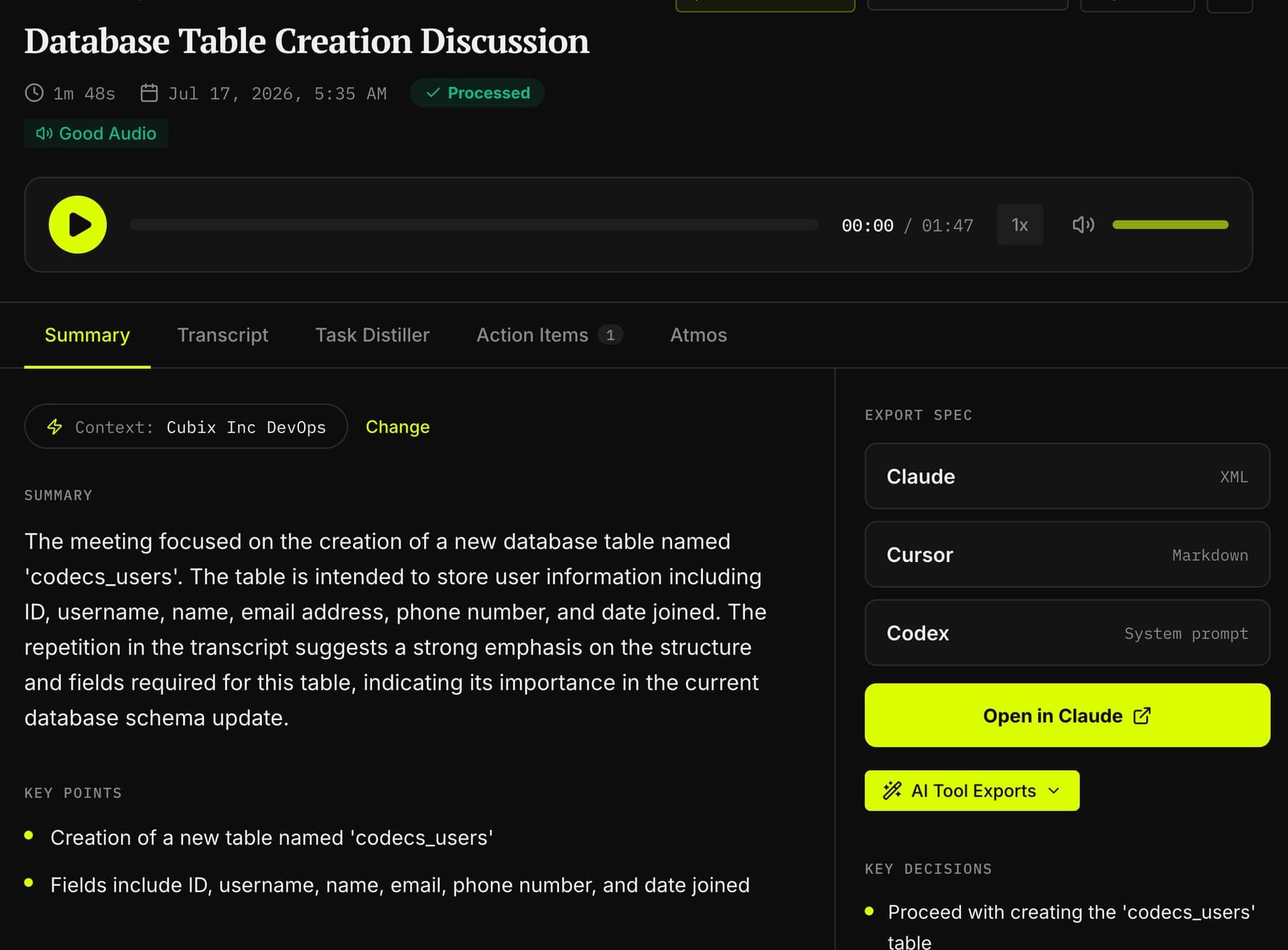
- Turning meeting recordings into summaries and development tasksReverbic · SaaS · AI product · 2026Founder-built product
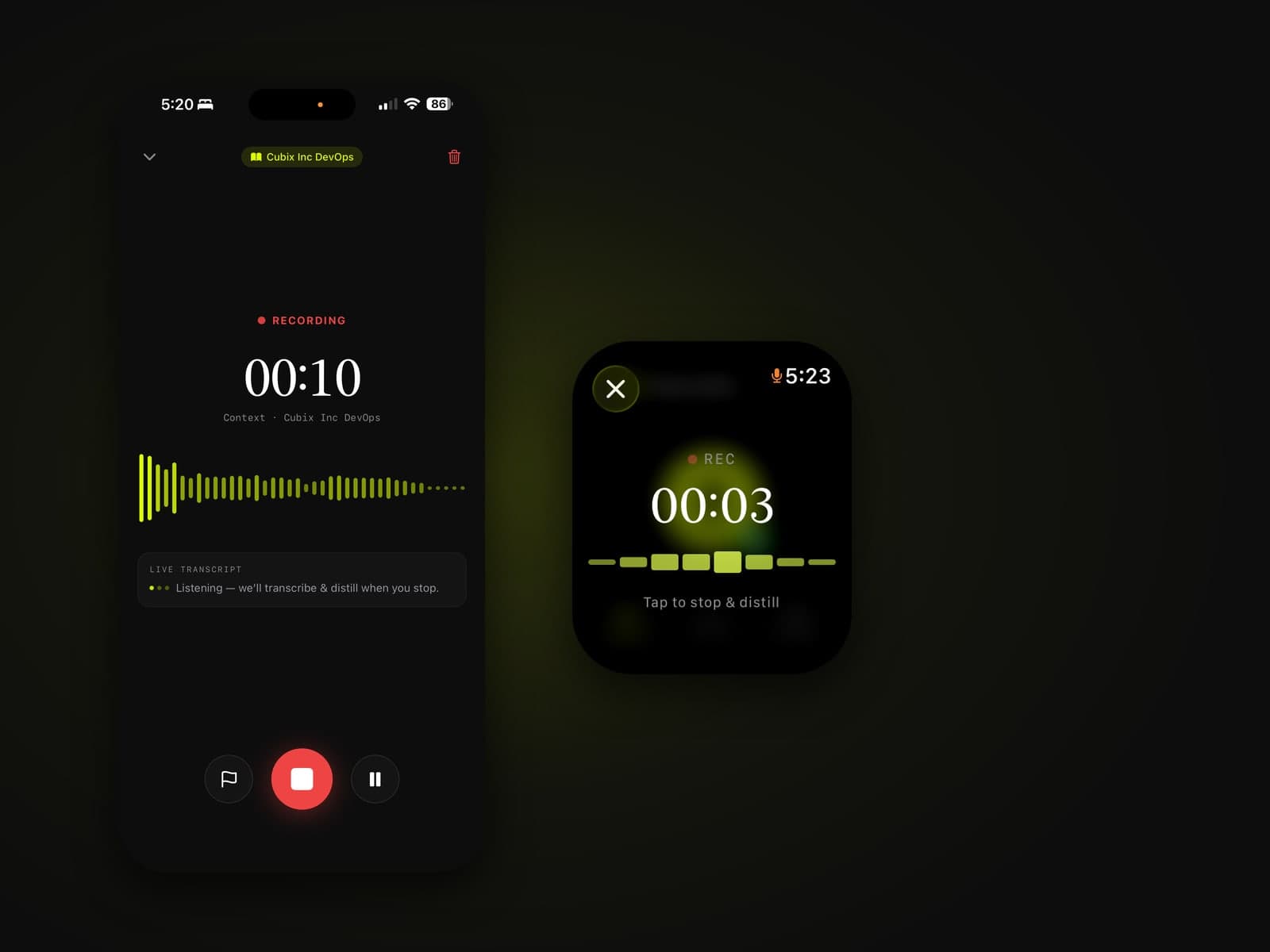
- iPhone and Apple Watch companion appReverbic · Mobile · iOS & watchOS · 2026Founder-built product
How a project runs
- 1
Understand the problem.
Tell us who uses the system, where it gets stuck, and what a successful result would look like.
- 2
Agree on the first milestone.
Define what gets delivered, what it costs, and how you will evaluate the result.
- 3
Build, verify, and hand over.
Review working progress, test the agreed workflow, and document the handoff and support arrangements.
Any included stabilization period and ongoing support are agreed in the project scope.
Common questions
What should I send to get started?
A short description of the problem, a relevant website link if available, and any important timing constraints. You do not need a complete technical specification.
Who will I work with?
Michael Schultz leads the work and is your technical point of contact. If a project needs additional specialists, their involvement is discussed as part of the scope.
What happens after launch?
Handoff, any included stabilization period, and ongoing support are defined in the project scope so expectations are clear.
Tell us what needs to work better.
What does it need to do, where is it getting stuck, and what would a successful result look like? A few paragraphs are enough to start.